
The troika leading liquid biopsy: CTCs、ctDNA、Exosomes
| As mentioned in the last article, liquid biopsy takes CTCs derived from tumor sites, circulating free DNA or RNA and exosomes as markers to extract, analyze and play a role in the early application of tumor diagnosis from patients' body fluids. Tissue biopsy is a technique to remove diseased tissue from the patient for pathological examination by cutting, forceps or puncture to meet the need of diagnosis and treatment. |
Due to the strong heterogeneity of tumors, the genetic information of tumors of different individuals, tumors of different parts of the same individual, different subclonal tissues of the same part, and different cells of the same subclone may be different. Conventional biopsies have limitations; While liquid biopsy is taken from whole-circulating DNA molecules, which is more comprehensive and has low heterogeneity deviation. Different target types also have different detection characteristics. At present, the leading three drivers of liquid tumor biopsy technology are CTCs, ctDNA and exosomes [1], which will be introduced in detail in this article.
Circulating tumor cells (CTCs)
Circulating Tumor Cells (CTCs) are tumor cells isolated from the primary site, circulating in the bloodstream, circulating in circulation and circulating at a distance [2]. In 1993, Professor Klaus Pantel of the University of Hamburg in Germany proposed a new concept of prototype, equivalent to the current definition of "tumor liquid biopsy" [3]. This concept was demonstrated using a toolbox refilled with circulating tumor cells, circulating tumor DNA, exosomes, and other markers in the patient's blood, according to which cancer patients were distinguished from healthy individuals and classified into different disease stages [4].

Figure 1 Circulating Tumor Cells (CTCs)
(Source: Bourre,et all, Crown Bioscience,2020)
Studies have shown that CTCs already show abnormalities when the tumor diameter is less than 0.1cm, which is 6-9 weeks earlier than traditional imaging [5]. Therefore, CTCs can be used as independent prognostic factors for tumor patients, markers and targets of targeted therapy, and also have important clinical value in early diagnosis of tumors. However, due to the extremely low content of CTCs in the blood and short half-life, the capture rate is low and the sensitivity is poor [6].
Circulating Tumor DNA(ctDNA)
Circulating Tumor DNA (ctDNA) is a circulating piece of DNA circulating in the human bloodstream that carries characteristics derived from the tumor genome. ctDNA can reflect the panoramic data of the tumor in the patient, fully reflecting the same mutant genomic information as the tumor tissue, including mutation, deletion, insertion, rearrangement, copy number abnormality, methylation and other related mutation information. ctDNA detected by deep sequencing [7] showed that in 72% of patients, ctDNA could detect tumors 5.2 months earlier than imaging, and the recurrence rate after the first treatment reached 94% accuracy.
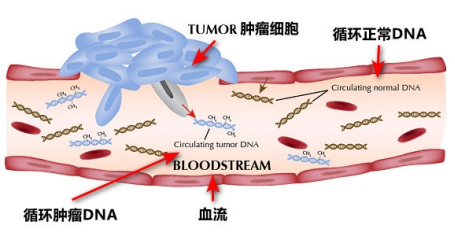
Figure 2 Circulating tumor DNA (Source: Sunlung)
By detecting ctDNA, tumor trace information can be obtained. ctDNA has certain clinical application prospects in tumor screening, early diagnosis, minimal residual lesions and recurrence monitoring, efficacy evaluation, guiding the use of targeted drugs and survival evaluation. The New England Journal of Medicine found that ctDNA detection, as a non-invasive detection method, can truly reflect the gene mutation profile and frequency in solid tumor tissue, and is an important monitoring index for the evaluation of therapeutic effect and clinical follow-up after treatment. However, in early asymptomatic individuals, ctDNA content is low, and specific mutations are even more minimal, which has certain limitations in tumor screening [8].
Exosome
Exosomes are tiny membrane vesicles secreted by most cells. They have a lipid bilayer structure and are about 40-100 nm in diameter. As a subtype of cell-secreting vesicles, exosomes exist in biological fluids and are involved in a variety of physiological and pathological processes. In the tumor microenvironment, exosomes are involved in inducing angiogenesis, cell migration and proliferation, inflammatory responses, immunosuppression, evasion of immune surveillance, and metastasis. By transporting multiple types of "cargo" such as proteins, lipids, enzymes, transcription factors, DNA, mRNAs, miRNAs, and lncRNAs to stromal cells, exosomes ensure cell communication in the microenvironment, enable the transformation of recipient cells into cancer cells, and promote the growth of primary tumors. Therefore, tumor related information can be analyzed by detecting related proteins and markers such as mi RNA.
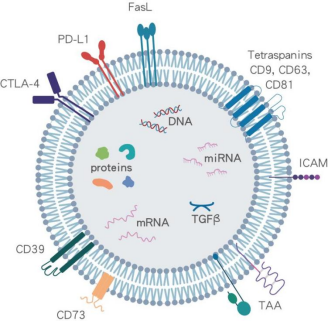
Figure 3 Exosome structure (Source: Int. J, et all, Mol.Sci.2020)
Exosome level in body fluids of patients can also be used for the early diagnosis of tumors, and the expression level of exosome contents can reflect the changes of the disease condition, and serve as an indicator of efficacy monitoring and prognosis judgment [9]. Moreover, exosomes are widely distributed, come from living cells, and are relatively simple to isolate and identify, which has caused in-depth research by scholars in the industry. Exosomes will become a new hope in cancer diagnosis and treatment
Comparison of CTCs, ctDNA and exosomes
CTCs, ctDNA and exosomes are all test objects of liquid biopsy, but each has its own characteristics. In essence, CTCs, ctDNA and exosomes have obvious differences in their characteristics and uses, which can complement each other. The following is a comparison of the advantages and disadvantages of the three methods and their applications:
Comparison of CTC, ctDNA and exosomes | |||
marker | advantage | disadvantage | application |
CTCs | 1. Tumor source specificity 2.DNA, RNA and protein are available 3. Able to conduct in vitro tests | 1. Specificity of CTC recognition 2. Influence of CTC heterogeneity on enrichment methods 3. Significance of CTC for drug use | 1. Prognostic analysis 2. Efficacy evaluation 3. Recurrence monitoring |
ctDNA | 1. Comprehensively reflect tumor mutation information 2. Tumor-related mutations have high specificity and clear relationship with targeted drugs | 1. Difficulty in identifying tissue sources 2. Mutation frequency is usually low, and it is difficult to distinguish tumor variation from background noise | 1. Personalized medication guidance 2. Efficacy and drug resistance monitoring 3. Early assisted diagnosis |
Exosome | 1. Non-coding RNA, DNA and protein are available 2. Able to conduct in vitro tests 3. It has wide applicability and greater potential as an early screening marker | 1. There is still a lack of specific markers 2. Further purification of tumor exosomes is difficult | 1. Early screening 2. Transfer control |
Since tumor DNA level variation is the most mature research, the development of sequencing technology also provides technical means for ctDNA detection. Therefore, at present, ctDNA is the most mature application, especially in the aspect of drug guidance, ctDNA has incomparable advantages!

The American Pathological Society notes that in the short term, liquid biopsies are more helpful in identifying malignancies in patients with clinically or radiologically evident lesions, and are an option in cases where biopsy is not feasible. Based on approved products, liquid biopsies greatly accelerate the development of target discovery, clinical trial enrollment, and concomitant diagnostics for new drug development, and hold great promise for prognostic detection and relapse assessment.
In general, liquid biopsy, which can take multiple samples and dynamically monitor tumor status, is gradually becoming a new tumor detection technology widely accepted in clinic. However, there are still some bottlenecks in the current detection, such as the consistency of the results of different detection methods and detection objects, which limits their comparability and traceability in tumor diagnosis, monitoring and prognosis. In conclusion, liquid biopsy is a tumor detection technology with great clinical application prospect but still needs to be continuously improved. It is believed that it will provide a more accurate and convenient method for clinical tumor diagnosis and treatment in the near future.

Reference literature
[1] Wang Hongbing. Application of liquid biopsy in the treatment of malignant tumors [J]. Clinical Journal of Practical Hospital,202,19(05):198-202. (in Chinese)
[2] Xia Yanyan, Shen Han, Xu Hongpan, et al. Research progress of liquid biopsy technique in tumor diagnosis [J]. Modern Journal of Laboratory Medicine, 201,36(03):157-160. (in Chinese)
[3] Pantel K, Schlimok G, Braun S, Kutter D, Lindemann F, Schaller G, Funke I, Izbicki JR, Riethmuller G. Differential expression of proliferation-associated molecules in individual micrometastatic carcinoma cells. J Natl Cancer Inst. 1993 Sep 1; 85(17):1419-24. doi: 10.1093/jnci/ 85.17.1419.PMID: 7688814.
[4] Pantel K, Alix-Panabieres C. Real-time liquid biopsy in cancer patients: fact or fiction? Cancer Res. 2013 Nov 1; 73(21):6384-8. doi: 10.1155/0008-5472.can-13-2030. Epub 2013 Oct 21. PMID: 24145355.
[5] TAKAKURA M, MATSUMOTO T, NAKAMURA M,et al.Detection of circulating tumor cells in cervival cancer using aconditionally replicative adenovirus targeting telomerase-positive cells[J].Cancer Science,2018, 109(1):231-240.
[6] ZHANG Xaofen,JU Shaoqing,WANG xudong,et al. Advances in liquid biopsy using circulating tumor cells and circulating cell-free tumor DNA for detection and monitoring of breast cancer[J]. Clinical and Experimental Medicine, 2019, 19 (3) : 271-279.
[7] Yang Lingge, Luo Peng, Chen Shiqi, Wang Chunmeng. Research and application of liquid biopsy technique in cancer [J]. Oncology,2018,38(11):1090-1096. (in Chinese)
[8] FENIZIAF.Oncogenomics//Circulating Tumor Cells and ctDNA in NSCLC[M].Ytaly Naples:Academic Press,2019:465-475.
[9] GAO Fangyuan, JIAO Fenglong,XIA Chaoshuang, et al. A novel strategy for facile serum exosome isolation based on specific interactions between phospholipid bilayers Chemical Science,2019,10(6):1579-1588. (in Chinese)